Renzo Seghesio Barolo DOCG Cru Pajana 2021 is an elegant, powerful single-cru Barolo from the heart of Ginestra. Old vines on chalky southeastern slopes, a long traditional maceration, and aging in large botti produce a wine with red cherry, rose, licorice, and balsamic complexity, wrapped in silky yet substantial tannins. A classic Barolo from a top vintage of 2021, excellent to enjoy now after decanting, but with potential for at least 10–15 years of further aging.
The 2021 Barolo Pajana beautifully illustrates why this cru is so sought-after: the Barolo is bright ruby red with a garnet rim. The nose reveals ripe red cherries and raspberries, strawberry compote, and a touch of orange peel, complemented by floral notes (dried rose, violet), licorice, tobacco, a hint of cocoa, and subtle balsamic and spicy hints (cedar, bay leaf). On the palate, the wine is medium to full-bodied, with a core of red fruit (cherry, strawberry, red currant), fine acidity, and a taut yet refined tannin framework. The texture is remarkably soft for such a young Barolo, with plenty of length and a slightly salty-mineral finish, which again reveals citrus, licorice, and a touch of balsamic vinegar. The style: Elegant and precise rather than heavy; a Barolo with focus, length, and finesse, typical of Ginestra/Pajana in a cool, classic vintage like 2021.
The grapes come from the Cru Pajana – Ginestra vineyard located in Monforte d'Alba. Pajana is part of the larger MGA Ginestra near Monforte d'Alba. The vineyard forms an amphitheater around Cascina Pajana, with an altitude of around 330–370 meters above sea level and a south(east) – south(west)-oriented slope. The subsoil is typically "Serralunghese": alternating loam, sand, and clay with a high content of active limestone on the Lequio-Serravalliano formation (approximately 11–12 million years old). This produces wines with excellent structure, minerality, and long aging potential.
The Pajana vineyard became famous in the Barolo world with plantings dating back to 1971, later partially replanted around 1991. Renzo Seghesio works with a high planting density in Ginestra; for Barolo, he maintains around 5,000–5,500 vines per hectare, resulting in low yields per vine and concentrated grapes. The Seghesio family deliberately leaves vegetation between the rows where possible to limit erosion and stimulate soil microbial development. Pruning and green harvesting are used to keep yields low and achieve optimal ripeness.
The Seghesio family has been active in the Barolo region since the early 20th century. They began as grape growers for large estates; now they bottle their own Barolos from top-tier estates in La Morra (Bricco Chiesa, Roggeri) and Monforte d'Alba (Ginestra, Pajana). Today, the estate is run by Federico Seghesio, Renzo's son.
Cascina Pajana, the home base in Ginestra, is the heart of the estate: here both Barolo Vigna Pajana and Barolo Ginestra are within walking distance of the cellar.
The 2021 vintage is generally regarded as a classic peak year in Barolo: a dry, healthy growing season, with a cold, snowy winter, a relatively cool spring and a warm but not extremely hot summer.
The Nebbiolo for Barolo enjoyed a long ripening period in 2021. Harvest began in most areas of Barolo in the early days of October and continued until mid-October on the best slopes. This late harvest resulted in fully ripe tannins, pronounced aromatic complexity, and classic acidity – precisely what you'll find in wines like Seghesio's Pajana 2021. Critics rank 2021 alongside modern benchmark vintages like 2010 and 2016: expressive aroma, precise structure, excellent aging potential, and clear terroir expression.
The Barolo Vigna Pajana is made at Seghesio according to a traditional but precise method: Exclusive selection of Nebbiolo grapes from the south(east)-facing Pajana plots.
Hand-harvested into small crates, usually in early October, when phenolic ripeness and acidity are perfectly balanced. The grapes are largely destemmed, but approximately 15% is added as whole berries. Long fermentation and maceration (approximately 30 days) take place in two stages, with a classic cappello sommerso (submerged cap) in the second stage. This results in a deep color, maximum extraction of aromas and flavors, and finely polished tannins.
Maturation for approximately 28 months in large 3,200-liter Slavonian and Austrian oak barrels. Further refinement in the bottle follows before release. This choice of large botti emphasizes terroir, finesse, and minerality over woody aromas.
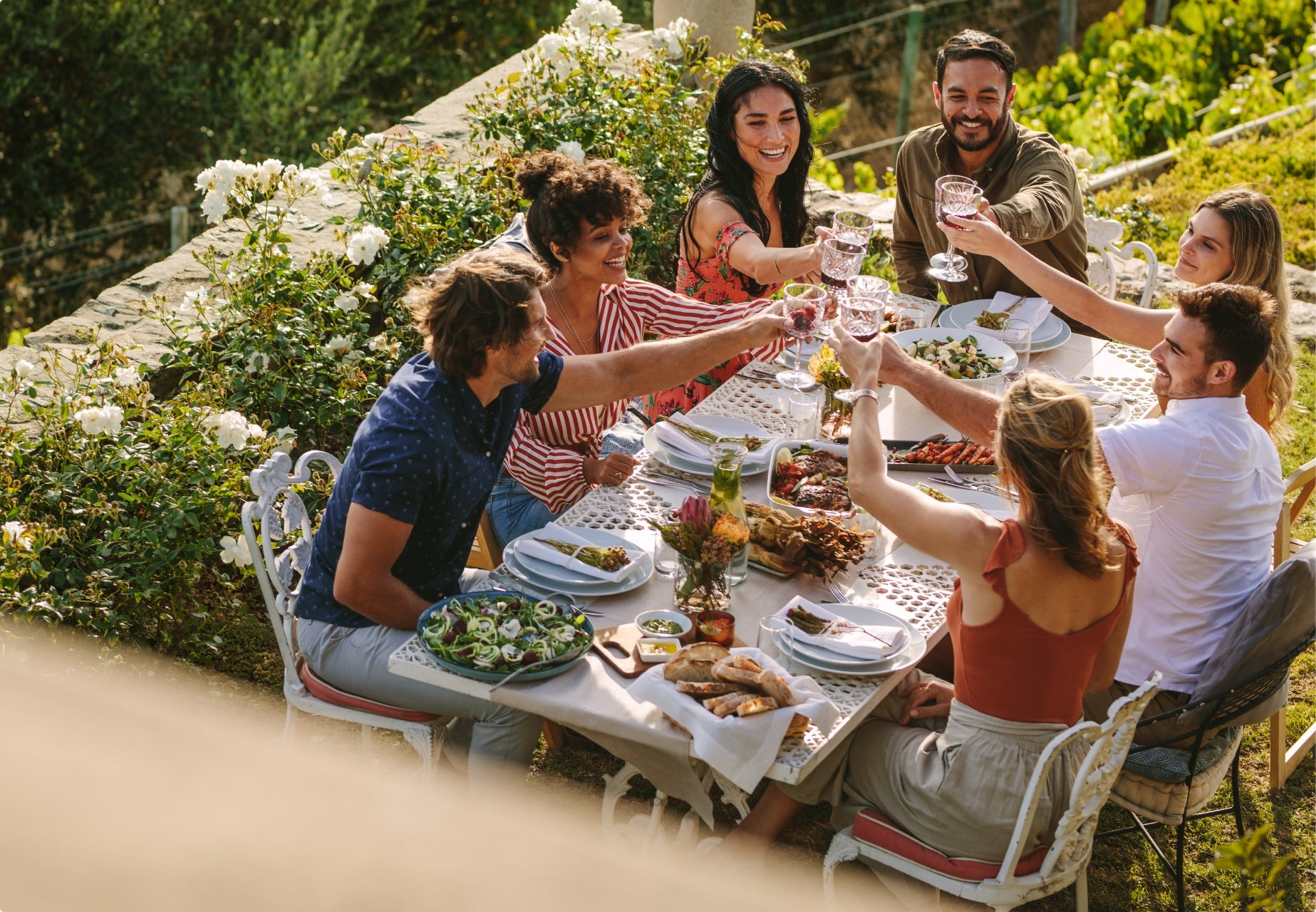
Food and wine pairings. The structure and elegance of Pajana 2021 call for dishes with depth:
- Meat & game: Slow-cooked beef skewer or ossobuco, Stew of wild duck, hare or venison with truffle or mushrooms, Côte de boeuf with rosemary and garlic from the oven
- Local Piedmont classics: Tajarin with Fassona beef ragu, Brasato al Barolo, Vitello tonnato (for those who like to serve Barolo with their starter)
- Vegetarian combinations: Risotto with porcini and Taleggio, Grilled polenta with mushrooms and aged Parmesan, Roasted vegetables from the oven (beetroot, parsnip, carrot) with spicy lentils
Serve around 16–18°C in a large Burgundy/Barolo glass. Feel free to decant young bottles (such as 2021) up to 4 hours in advance to allow the wine to fully develop.